Casting vs. Spinning Fishing Rods: Which Option Is Right for You?
An angler's experience can be significantly influenced by the choice between spinning and casting fishing rods. Every guide rod style possesses distinct characteristics that serve various skill levels and fishing preferences. Recognizing these variations is critical for picking the right equipment. As fishermen assess their alternatives, it becomes necessary to examine different factors that impact performance and success on the water. Which particular factors should one prioritize when making this determination?
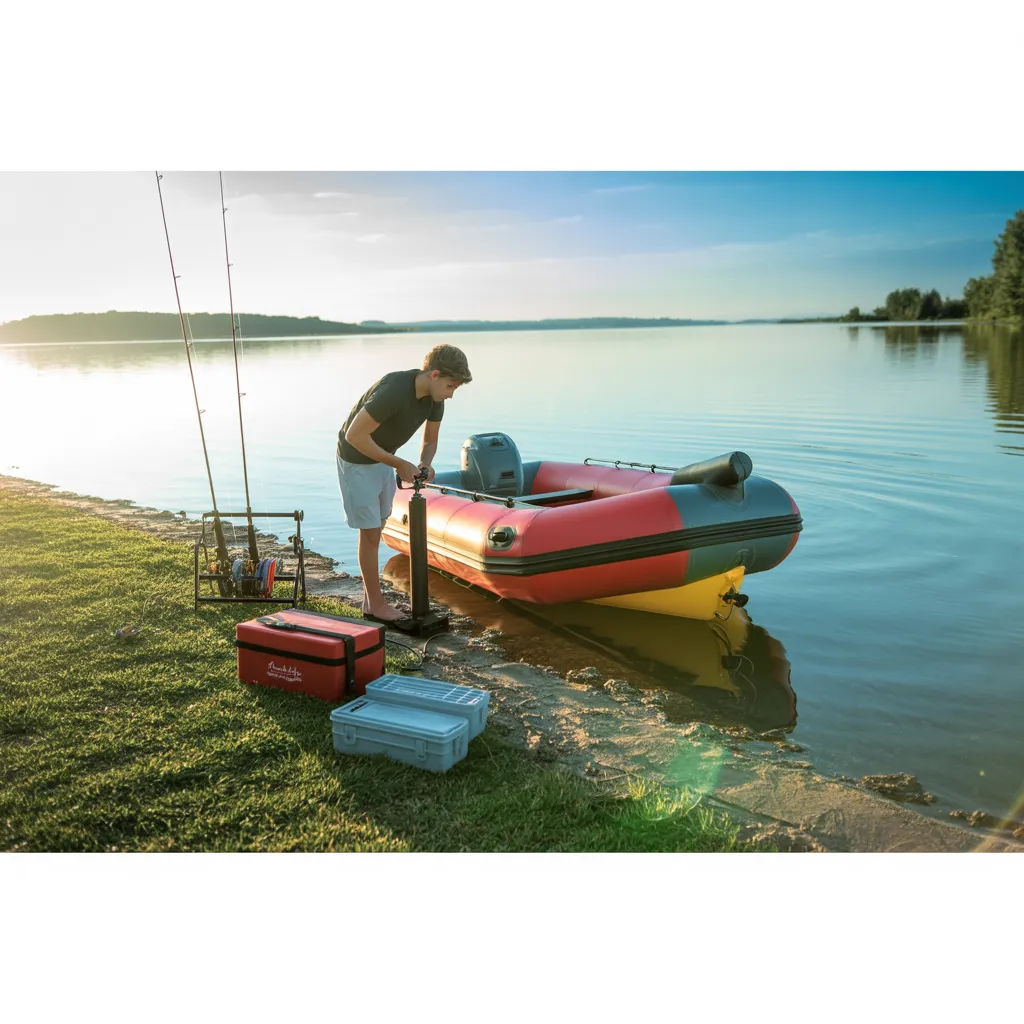
Learning About Spinning Rods
Spinning rods represent a favored option for anglers for their ease of use and versatility. Built with a specialized reel seat situated below the blank, these rods accommodate spinning reels that enable smooth line retrieval. This configuration empowers anglers to cast delicate baits or lures over substantial distances, making them perfect for diverse fishing environments. Spinning rods commonly feature a flexible tip, which increases sensitivity and increases bite detection, permitting anglers to feel even the slightest nibbles.
These fishing rods come in various lengths and actions, serving different fishing styles and targets. When pursuing freshwater species such as bass and trout or saltwater species like snapper and mackerel, spinning rods can accommodate a variety of line weights and lure sizes. Their intuitive design makes them perfect for beginners while staying effective for seasoned anglers, contributing to their popularity in the fishing community.
Understanding Rods for Casting
Casting rods act as a supplementary option to spinning rods, serving anglers who opt for a different fishing technique. These rods are intentionally designed for baitcasting or conventional fishing reels, providing greater control and accuracy when casting. Generally, casting rods feature a stiffer backbone and a shorter length compared to spinning rods, allowing for powerful hook sets and the capability to handle heavier lures and lines.
Fishermen frequently select casting rods for pursuing larger species or fishing in challenging conditions, as they stand out in precision casting. The guides on casting rods are placed on the top, which helps in minimizing line twist during retrieval. Moreover, casting rods are come in various actions and power ratings, enabling anglers to select a rod that best fits their fishing style and target species. On the whole, casting rods present an effective alternative for those wanting more finesse and control in their fishing activities.
Advantages of Spinning Rods
Why are spinning rods so widely preferred among anglers? One significant advantage is their versatility; spinning rods support diverse fishing techniques and target species, making them ideal for both beginners and skilled fishers. Their easy-to-use design permits effortless casting, even with lighter lures, which is particularly helpful in finesse fishing situations. Spinning rods also are excellent at handling lighter lines, granting anglers enhanced sensitivity and better detection of subtle bites.
Additionally, the open-faced reel design enables fast line retrieval and lessens tangles, elevating the overall fishing experience. Anglers appreciate the ability to cast long distances with minimal effort, which is critical when targeting elusive fish. Moreover, spinning rods are usually lighter and more balanced, enabling prolonged use without fatigue. These advantages collectively enhance the spinning rod's sustained popularity within the fishing community.
Benefits of Casting Rods
Several advantages make casting rods an attractive choice for anglers. They provide greater casting distance and enhanced accuracy control, permitting exact bait placement. Additionally, their versatility handles a wide range of bait options, meeting diverse fishing conditions.
Extended Casting Range
Anglers commonly search for optimal instruments to improve their fishing experience, and when it comes to superior casting distance, casting rods often outperform their spinning counterparts. The design of casting rods generally features a stronger backbone, which enables more energy transfer during the cast, leading to enhanced distance. In addition, casting rods often incorporate heavier line weights and lures, further boosting their ability to reach remote targets. The positioning of the reel above the rod facilitates a more streamlined casting motion, reducing drag and boosting overall performance. This makes casting rods notably advantageous for reaching fish positioned far from the shore or in open water. In the end, for anglers focusing on distance, casting rods are often the better choice.
Improved Accuracy Control
While both casting and spinning rods have their merits, casting rods deliver improved accuracy control that many skilled anglers value. This precision comes from the design of casting rods, which feature a trigger grip and a more responsive blank. Anglers can more effectively manipulate the lure's trajectory, allowing for pinpoint placements near structures, such as fallen trees or rocky outcrops. The ability to control the line's tension additionally helps with delivering baits with finesse. Moreover, the use of baitcasting reels allows for direct line control, enabling quick adjustments during a cast. Finally, this level of accuracy is crucial for targeting specific fish species in diverse environments, making casting rods a preferred choice for those seeking precision in their fishing pursuits.
Varied Bait Selection Choices
What exactly makes casting rods notably advantageous when it comes to bait options? Casting rods offer a broader range of bait choices, permitting anglers to use heavier lures and baits with great effect. This capability is crucial for targeting larger fish species, which often require more substantial offerings. The stiffer action of casting rods also enables better control over the bait's movement, enhancing the angler's ability to mimic natural prey. Additionally, casting rods can easily handle multiple techniques, such as flipping, pitching, or using topwater lures. This versatility permits anglers to adapt to diverse fishing environments and conditions, enhancing their chances of success. Consequently, the flexibility in bait options makes casting rods a favored choice for many serious anglers.
Knowing When to Use Each Type of Rod
Deciding between spinning and casting rods is determined by numerous factors, including the type of fishing being pursued and the skill level of the angler. Spinning rods are usually more suited for beginners because of their ease of use and lighter tackle. They excel in situations requiring finesse, such as targeting panfish or trout in smaller bodies of water. Their design allows for accurate casting in windy conditions, making them perfect for diverse fishing environments.
On the other hand, casting rods are favored for seasoned anglers who demand accuracy and strength. They are favored for heavier lures and larger fish species, such as bass or pike, especially in freshwater settings. Casting rods also offer enhanced control when working with heavy lines and bait. In the end, the decision depends on the angler's expertise and the specific fishing conditions, guaranteeing that the correct rod is selected for the desired fishing experience.
Advice for Picking the Right Rod for Your Fishing Style
Choosing the right fishing rod involves understanding an angler's fishing technique and preferences. Elements such as rod length, weight, and the species being targeted play vital roles in this decision. By considering these factors, anglers can choose a rod that enhances their fishing experience.
Understand Your Fishing Style
In what way can anglers find the optimal rod for their particular fishing style? Recognizing one's technique is vital in making this determination. Anglers who favor finesse techniques often benefit from spinning rods, which offer tactile feedback and precision for less heavy lures. On the other hand, those who perform power fishing or use more substantial lures may find casting rods more appropriate due to their durability and control. Moreover, the type of water—whether freshwater or saltwater—can affect rod selection, as particular materials and constructions are better suited for specific environments. By assessing their chosen fishing methods, such as trolling, surface fishing, or jigging, anglers can more precisely align their rod choice with their technique, ultimately improving their fishing results and success.
Rod Length and Weight
In selecting a fishing rod, both length and weight play vital roles in boosting performance and comfort on the water. Longer rods, typically ranging from 7 to 9 feet, give increased casting distance and better leverage for fighting fish. They are perfect for techniques that require long casts or fishing in open waters. Alternatively, shorter rods, generally around 6 to 7 feet, offer better control and accuracy, making them perfect for tight spaces like rivers and dense cover.
Weight remains just as vital; lighter rods lessen weariness during marathon fishing periods, while heavier rods can offer more power and durability. Ultimately, the right combination of length and weight should suit specific fishing methods and individual choices, providing a outstanding experience on the water.
Target Species Factors
Comprehending the target species can considerably influence the choice of a fishing rod. Different species have unique behaviors, habitats, and sizes, which necessitate specific rod types for optimal performance. For instance, anglers targeting larger fish like pike or muskellunge may select heavy-duty casting rods that can handle increased strain and provide enhanced control. Conversely, for smaller species such as trout or panfish, a lighter spinning rod provides sensitivity and finesse. Moreover, the rod's action—fast, medium, or slow—should match the angler's technique and the species' feeding habits. Finally, analyzing the target species guarantees that the chosen rod enhances the fishing experience and boosts the likelihood of a successful catch.
FAQ
Are Both Spinning and Casting Rods Effective for Beginner Use?
Novices can successfully utilize both spinning and casting rods. Every type provides distinct benefits, allowing novices to develop different skills. Knowledge of both options can enrich their overall angling experience and versatility in different conditions.
What Impact Do Rod Materials Have on Performance?
The materials used in rod construction significantly impact performance; graphite provides exceptional sensitivity along with lightweight benefits, while fiberglass delivers robust construction and flexible properties. The material selection affects your casting range, rod strength, and complete angling experience, affecting the performance of different fishing methods.
What's the Average Price Difference Between These Two Types?
The average cost difference between spinning and casting rods typically ranges from $20 to $100, with spinning rods often being more affordable. Nonetheless, high-end choices are available in both types, notably changing overall expenses determined by brand and materials.
Do Specific Brands Have a Reputation for Quality Rods?
Several brands are well-known for their top-quality fishing rods, including Shimano, Abu Garcia, and St. Croix. Each brand delivers a range of options, serving different fishing styles and preferences, guaranteeing anglers obtain trustworthy equipment.
Is Using Spinning Reels on Casting Rods Possible?
Using spinning reels on casting rods is generally not advisable. The construction of casting rods and reels varies greatly, leading to reduced performance and uncomfortable handling. These components are optimized for their respective matching equipment.